

Keeping personal items organized isn’t about perfection; it’s about removing small daily frustrations. When essentials are easy to find, you move faster, feel calmer, and waste less time digging through clutter. A modern approach focuses on simple systems you can maintain, ones that work whether you’re heading to work, meeting a friend, or stepping out for a quick errand.
Define what essential really means
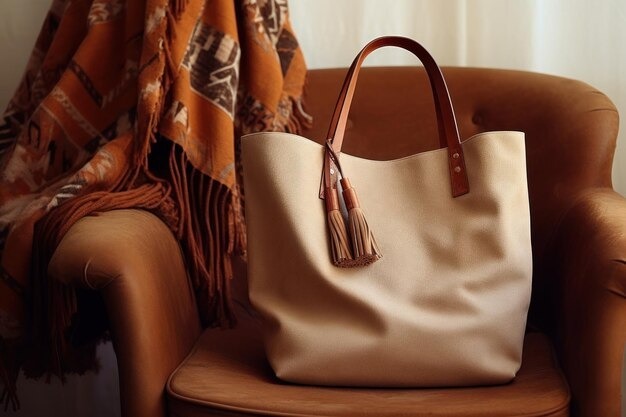
Most messy setups come from carrying too many “just in case” items. Start by pulling everything out and sorting into three groups: must-have daily tools, occasional helpers, and things you’ve been hauling around out of habit. The goal is a realistic core list you’ll use repeatedly, not an aspirational kit. Once that’s clear, your bag stops feeling like a storage unit and starts working like a tool. Many people notice this shift quickly when organizing everyday tote bags, since extra space often invites unnecessary items that quietly build up.
Create a consistent home for each item
Organization becomes effortless when each object has a predictable place. Decide where your keys live, where your cards sit, and where small items go so you can find them without looking. Consistency matters more than complexity: one spot you always use beats a fancy setup you abandon after a week. If you rotate bags, keep a tiny “core cluster” of essentials that transfers as a unit, so you’re not repacking from scratch every time you change your look.
Use a modular system instead of loose piles
Loose items migrate, tangle, and disappear. A modular approach fixes that by grouping similar objects into small categories: a mini tech pouch, a personal care pouch, and a flat wallet insert, for example. This method also helps you right-size what you carry, because each module has a natural limit. When you can lift out a single pouch, you avoid the endless rummaging that makes everyday organization feel impossible.

Keep a quick-access zone for high-frequency needs
Some items need to be available in seconds: a phone, transit card, or lip balm. Make an intentional “front line” in your carry setup, so you’re not opening multiple compartments or dumping items to reach them. This is especially helpful when you’re on the move, waiting in a line, or multitasking. A quick-access zone reduces stress because it prevents those repeated micro-delays that add up over the day.
Reduce duplicates and choose multipurpose tools
Duplicate items are a hidden cause of clutter: two hand creams, three pens, multiple chargers, half-used packets, and random receipts. Pick one of each type and commit to it, then store backups at home or in a dedicated spot you won’t carry daily. Multipurpose tools help too, such as a small mirror that includes a lint pad, or a compact balm that works for lips and dry skin. The fewer single-use items you carry, the cleaner your system stays.
Make a reset routine that takes two minutes
Even the best setup drifts into chaos without a reset. Create a short routine you can do daily: toss trash, return items to their places, and check a short list such as keys, payment, and earbuds. Treat it like clearing the counter after cooking; small maintenance prevents future mess. Once it becomes a habit, you’ll spend less time organizing overall because you’ll rarely need a full clean-out.
Plan for changes in schedule without overpacking
A common problem is trying to prepare for every possible scenario, which leads to carrying too much. Instead, plan for the most likely situations and create one small “add-on” module for rare needs. For example, if you sometimes go from work to an evening event, keep a tiny kit with a mini fragrance, a compact brush, and a backup accessory. This helps you shift your style for an occasion without turning your daily carry into an overloaded collection of maybes.
Apply the flat is fast rule for smaller carry options
When switching to compact carry, bulk becomes the enemy. Choose slim versions of the things you truly use, and avoid rounded cases that waste space. A flat card holder, a thin key organizer, and a small refillable spray bottle can make a big difference. This mindset also helps when you prefer stylish small bags because it keeps the silhouette clean and prevents that awkward bulge that makes a compact bag uncomfortable and messy.
Build a weekly audit so clutter never wins
A weekly check-in keeps your system honest. Once a week, empty everything and remove what doesn’t belong: receipts, random samples, and items you didn’t touch all week. Wipe down pouches, restock only what you actually use, and rotate seasonal needs if necessary. This quick audit stops clutter from becoming “normal” and makes your daily reset routine even easier.
Conclusion
Organizing personal essentials is less about buying new organizers and more about creating repeatable habits. Define your true essentials, give each item a consistent place, and rely on modular grouping so your setup stays stable. With quick-access priorities, a simple reset routine, and regular audits, your carry becomes lighter, your mornings become smoother, and you can move through the day without the distraction of searching for what you already own.